
1968 was an interesting year. Several of us here at The Price of Liberty recall that rather fateful year. For us, the impact of events of 1968 still is resonating around the world, and especially the States, in 2026.
Many people will recall that year as the year of assassinations: Martin Luther King Jr. and Robert F Kennedy (Sr.) were killed by assassins in April and June. Of note, RFK was killed by Sirhan Sirhan, born in Jerusalem and nominally a “christian” who immigrated to California, where he grew angry of RFK’s support of Israel and the Six-Day War of 1967 which saw Israel gain control of his birthplace. 58 years later those same issues lead to deaths and destruction. As do the racial political issues that lay behind the killing of King.
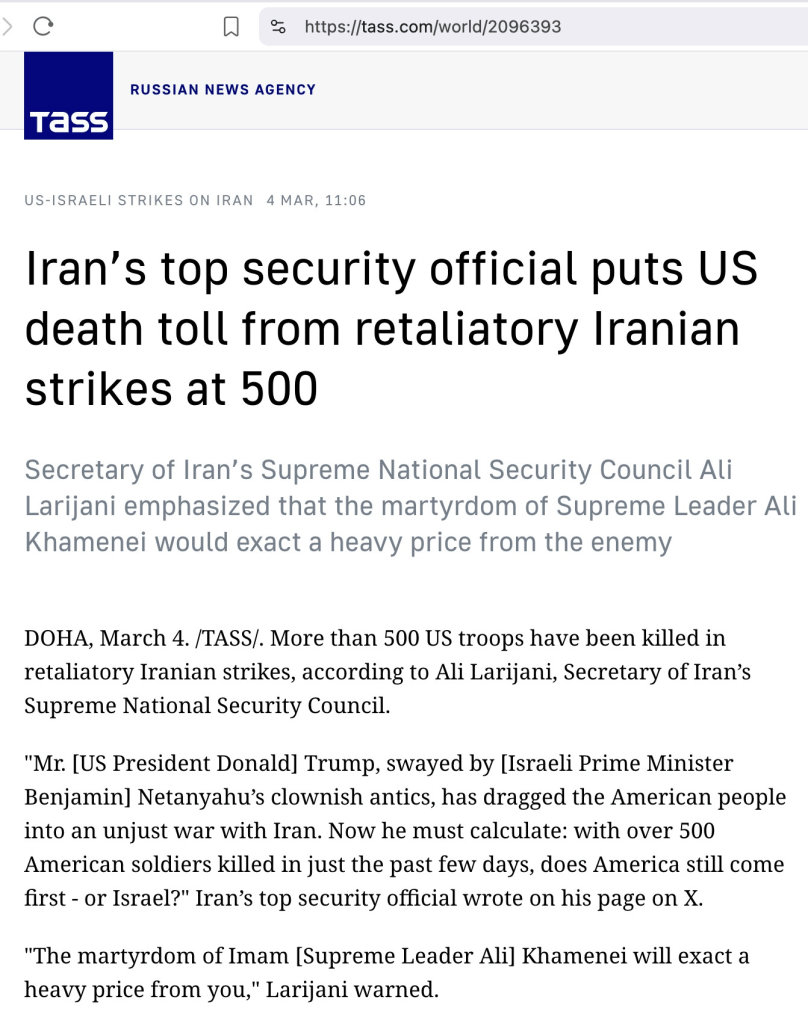
The decision of the successor to RFK’s brother JFK (Texan Lyndon Baines Johnson) to not run, and RFK’s killing, led to Richard Nixon defeating Hubert Humphrey in the 1968 election. We note that by current, 2026, standards, neither RFK, LBJ, JFK, nor HHH would be considered acceptable as Democrats. In 1968, the American-Vietnam phase of the Great Asian War was three years old, and would last another six or seven (depending on what event is considered the end of that phase). In contrast to the present show of “sorrow” over the thirteen American military deaths in the present Iran war, American war in Vietnam saw more than 50,000 American military die. In a time when the States had only 200 million people, as compared to pushing 350 million in 2026!
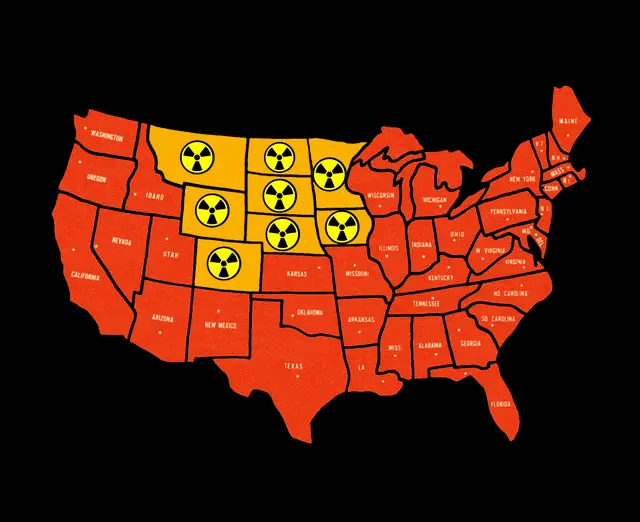
Which brings us to an event in 1968 that is seldom recalled, which nevertheless still has a major impact on the world of 2026. That was the publication of The Population Bomb by Professor Paul Ehrlich and his wife Anne, of Stanford. (Paul Ehrlich died on 13 March 2026.)
Continue reading



 The Price of Liberty
The collapsing main (lame) stream media: death of the American press
A free press (assumed to be a professional press) has long been considered to be essential for a republic, especially one which is a federation of multiple republics. Even those people who scream loudly about democracy recognize this. But this foundation of government for a free people has failed. It has declined to a point that it can no longer be trusted.
Why?
Consider the recent front page of a regional daily newspaper in South Dakota:
This is the Sunday edition, in the old days often the only paper many subscribers bought (for the comics – remember them? – and other items, such as sales flyers). There are four “front page” stories. Three of them are only sports reporting: local colleges and high schools. Only a single story on the front page provides information on perhaps the most pressing international story: the Iran War.
Continue reading →